Building a Mini Knowledge Graph for Your Brand
To thrive in an entity based search environment, your content strategy must transition from writing for keywords to defining how entities relate.
Step 1: Establish Your Primary Entity
Your business is a specific entity. To help Google's Knowledge Graph recognise you, you must provide stable entity signals.
- Structured Data Markup: Use Organisation and Local Business Schema to provide a roadmap for search engines. This structured data acts as a "source of truth."
- Consistency (NAP): Ensure your Name, Address, and Phone number are identical across your Google Business Profile (GBP) and other web pages.
- Knowledge Panel: Proper entity extraction and verification increase the likelihood of your brand appearing in a Knowledge Panel or rich results.
Step 2: Entity Extraction and Content Clusters
Don't just write content; create content clusters that define entities and their entity relationships.
- Topic Clusters: Build content around central entities and link them to distinct entities (e.g., services, locations, or industry tools).
- Internal Links: Use an internal linking structure to signal to search engines how your core entities are connected.
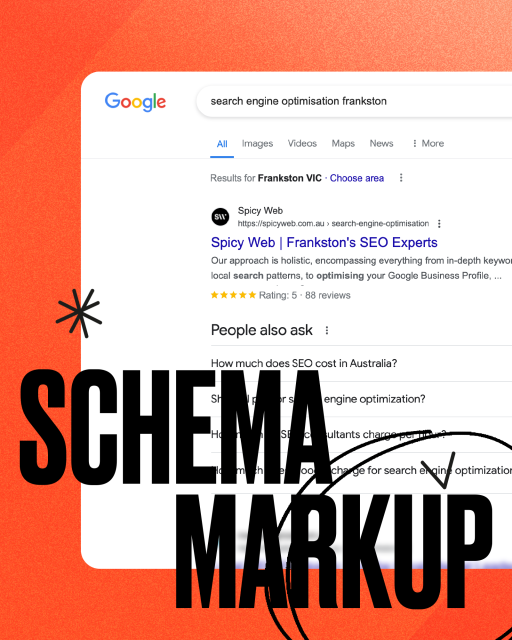
- Schema Markup: Use implementing schema (like about and mentions) to explicitly tell Google which other entities are relevant to your page.
Step 3: Validation Through Corroboration
Entity SEO works best when external sources confirm your identity.
- Relevant Entities: Align your content with recognised entities in public databases like Wikipedia or Wikidata.
- Local Backlinks: Links from reputable local sources enhance your entity recognition and trustworthiness.
- Case Studies: Detailed case studies of specific jobs act as data points that showcase expertise and provide entity signals to search rankings.