Notes

The Strategic Shift Between Entity Based SEO and Traditional SEO.

Article — As AI systems and large language models (LLMs) become a core interface for user search, the focus has shifted from "things" to "strings".

Posted by
21.07.2025

Traditional SEO often treats web pages as collections of words, focusing on keyword density to rank pages. However, keywords tend to be surface-level "strings." Entity based SEO focuses on "things"—the abstract concepts, people, and brands behind the search queries.

As AI systems and large language models (LLMs) become a core interface for user search, the focus has shifted. Search engines like Google now use machine learning and natural language processing to identify entities and their relationships.

Why Entities Matter for Google Search

  • Disambiguation: Entity clarity helps Google Search distinguish between the same entity in different contexts (e.g., "Jaguar" the car vs. the animal).
  • Topical Authority: Google now ranks sites that comprehensively cover a topic by mentioning related entities, moving beyond simple keyword matching to semantic SEO.
  • Voice Search: Natural language questions are more effective because entity recognition allows search engines to better answer complex queries by connecting core entities.

Building a Mini Knowledge Graph for Your Brand

To thrive in an entity based search environment, your content strategy must transition from writing for keywords to defining how entities relate.

Step 1: Establish Your Primary Entity

Your business is a specific entity. To help Google's Knowledge Graph recognise you, you must provide stable entity signals.

  • Structured Data Markup: Use Organisation and Local Business Schema to provide a roadmap for search engines. This structured data acts as a "source of truth."
  • Consistency (NAP): Ensure your Name, Address, and Phone number are identical across your Google Business Profile (GBP) and other web pages.
  • Knowledge Panel: Proper entity extraction and verification increase the likelihood of your brand appearing in a Knowledge Panel or rich results.

Step 2: Entity Extraction and Content Clusters

Don't just write content; create content clusters that define entities and their entity relationships.

  • Topic Clusters: Build content around central entities and link them to distinct entities (e.g., services, locations, or industry tools).
  • Internal Links: Use an internal linking structure to signal to search engines how your core entities are connected.
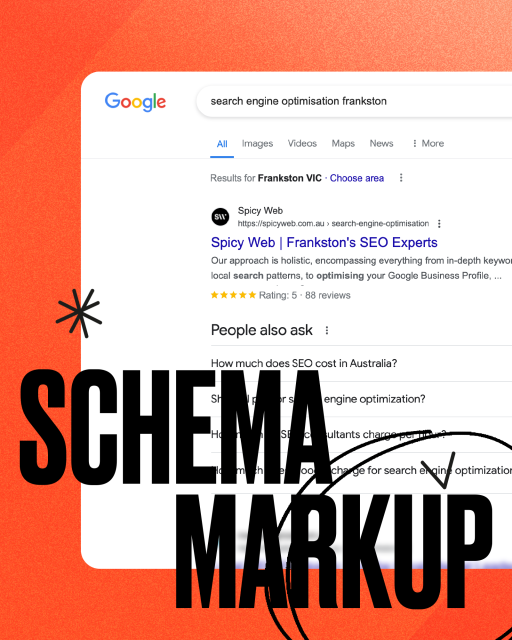
  • Schema Markup: Use implementing schema (like about and mentions) to explicitly tell Google which other entities are relevant to your page.

Step 3: Validation Through Corroboration

Entity SEO works best when external sources confirm your identity.

  • Relevant Entities: Align your content with recognised entities in public databases like Wikipedia or Wikidata.
  • Local Backlinks: Links from reputable local sources enhance your entity recognition and trustworthiness.
  • Case Studies: Detailed case studies of specific jobs act as data points that showcase expertise and provide entity signals to search rankings.
Knowledge graph entity seo

Is Your Brand "Entity-Ready"?

The shift from "strings to things" has fundamentally changed the game. You can either be a collection of words that AI tools ignore, or a well defined entity that they prioritise.

The Entity Audit Checklist

  • Identify Entities: What does Google actually think you are?
  • Map Relationships: Are your internal links connecting concepts or just pages?
  • Enhance E-E-A-T: Are your authors recognised as distinct entities with expertise?
  • Monitor: Use Google Analytics to track your visibility in Google Discover and AI Overviews.

Don’t Let AI Guess Who You Are

The difference between a "ranking" and an "authority" is entity based search.

Let us analyse your entity clarity and build a content strategy that ensures you don't just rank—you dominate the Knowledge Graph.

Explore our AI SEO service